By Felipe on April 02nd, 2026. Posted under: 2026, Blog Post, Featured Article, Statement
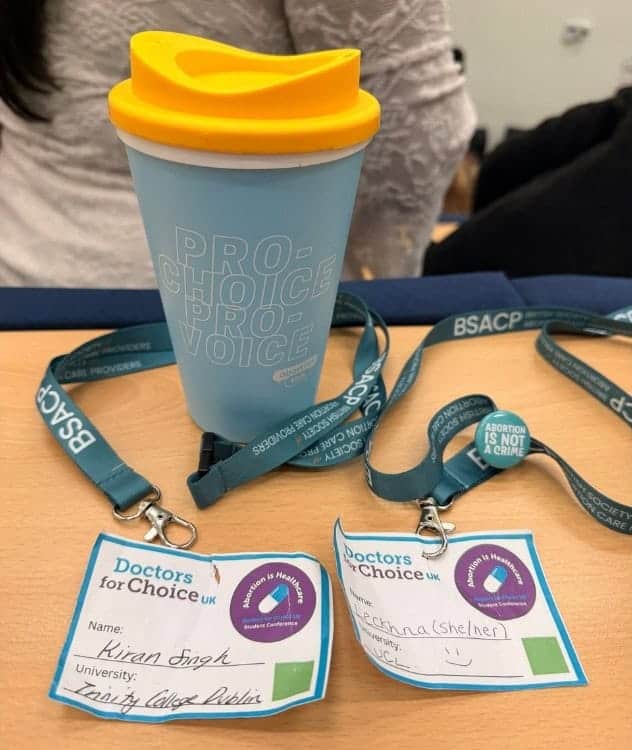
On Saturday, 28th February 2026, I attended the Doctors for Choice UK Student Conference: “Abortion is Healthcare – An Introduction to Abortion Care for Healthcare Students” at the Clinical Skills Centre at the Royal Free Hospital in London. The event brought together healthcare students from across the UK and Ireland for a day focused on understanding abortion care as an essential component of reproductive healthcare. The conference combined expert talks, panel discussions, and hands-on workshops to provide an evidence-based introduction to abortion provision and patient-centred care.
The morning sessions focused on foundational knowledge about abortion care in the UK. Speakers provided an overview of UK abortion law and the structure of abortion provision, followed by a discussion of the clinical aspects of abortion care. These talks helped contextualize how abortion services are delivered in practice and highlighted the importance of accessible, safe, and compassionate care. Later sessions explored abortion stigma and how healthcare professionals can provide respectful and non-judgmental support to patients. Hearing directly from clinicians and providers working in the field helped illustrate the real-world impact of reproductive healthcare policies and practices.
The conference sessions I enjoyed the most were the afternoon workshops. Participants rotated through three workshops: a practical session on Manual Vacuum Aspiration (MVA), a clinical communication workshop on speaking with patients about abortion, and a creative session titled “Abortion and the Arts.” These workshops offered different perspectives on abortion care – from clinical techniques to patient communication and the cultural narratives surrounding reproductive health. The communication workshop emphasized the importance of empathy, clarity, and respect when discussing sensitive healthcare decisions with patients.
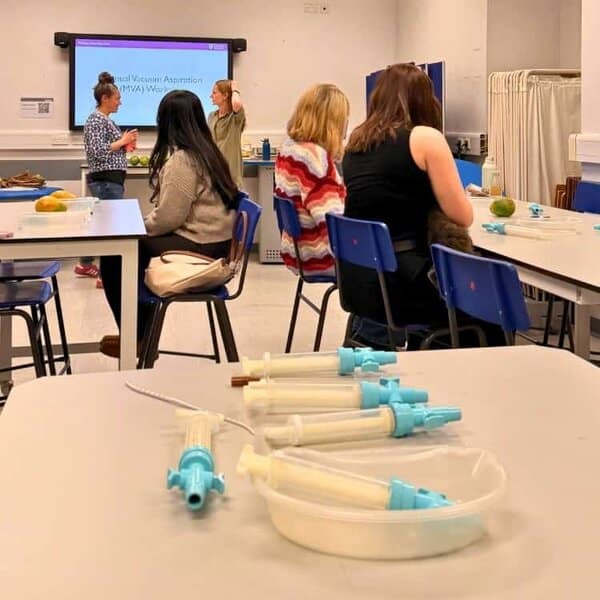
Setup for the Manual Vacuum Aspiration (MVA) workshop at the Royal Free Hospital in London. Participants were introduced to early abortion care techniques in a skills-based session.
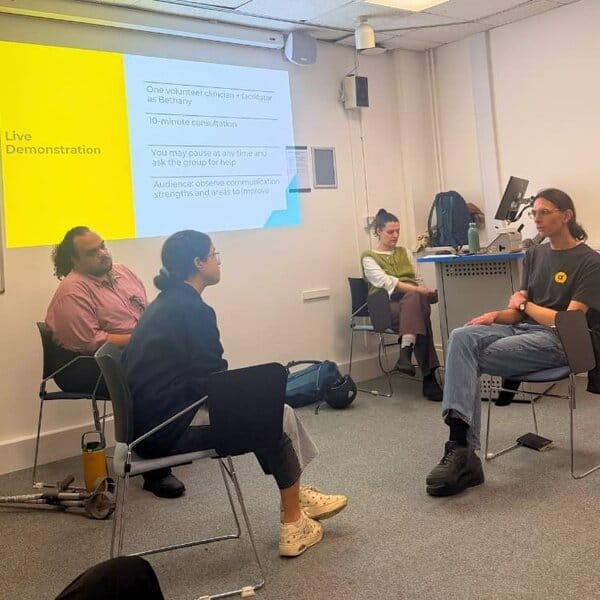
The clinical communication workshop featured a simulated abortion consultation, where students practiced how to approach sensitive discussions with empathy, clarity, and professionalism with peer and facilitator feedback.
One of the most valuable parts of the conference was a providers’ panel and Q&A session that brought together several leading clinicians and advocates working in abortion care, which closed the day. The panel featured several leading clinicians and advocates working in abortion care, including Dr. Patricia Lohr, a U.S. board-certified OB-GYN who previously worked closely with Medical Students for Choice (MSFC) while practicing in the United States and now serves as the Director of Research and Innovation at the British Pregnancy Advisory Service (BPAS). Having the opportunity to hear directly from these providers, many of whom have built their careers in reproductive healthcare, was incredibly meaningful. Bringing together so many key figures in the UK abortion care movement in one room created a rare and valuable opportunity for students to learn from their experiences. Listening to their perspectives on clinical practice, advocacy, and career pathways in this field was deeply inspiring and helped demonstrate the many ways healthcare professionals can contribute to reproductive justice.
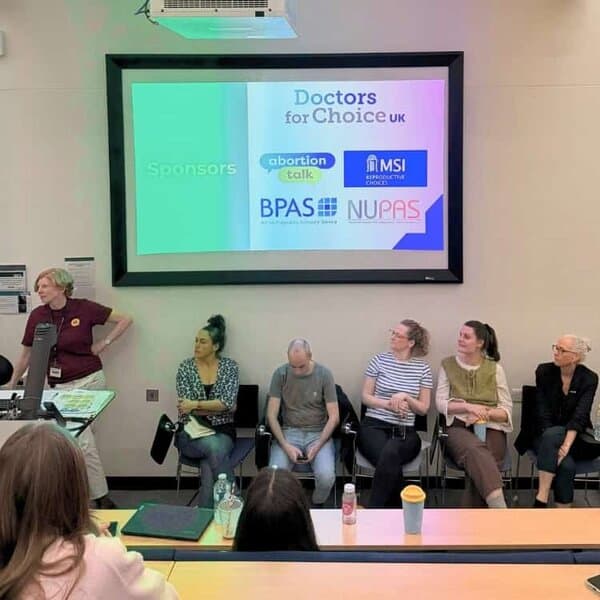
Closing providers’ panel and Q&A at the Royal Free Hospital in London, featured clinicians and advocates discussing abortion care, service provision, patient care, and reproductive health advocacy.
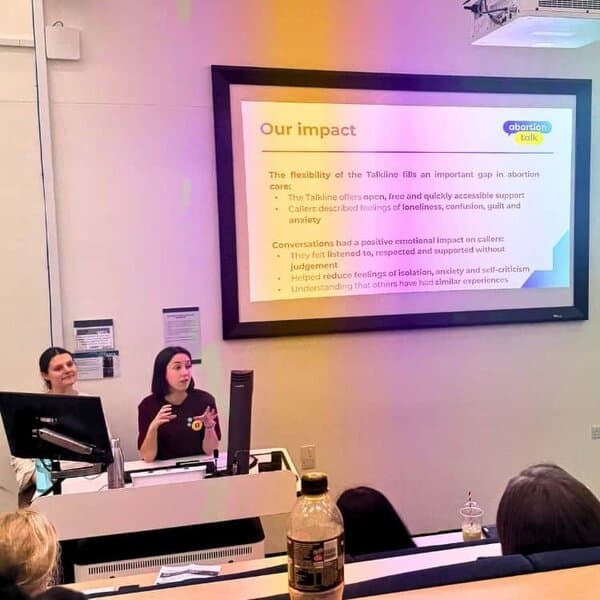
Abortion Talk speakers presented their work in improving abortion education and access, highlighting their initiatives in public engagement, stigma reduction, and supporting informed, patient-centred care.
Another highlight of the conference was the opportunity to connect with other attendees. I had the chance to network with fellow healthcare students who are passionate about abortion care, as well as physicians, educators, and leaders working in reproductive healthcare. Building these connections reinforced the sense that there is a growing community of healthcare professionals committed to improving abortion education and access. In particular, I had the opportunity to speak with Dr. Jayne Kavanagh, Co-Chair of Doctors for Choice UK and Co-Director of Abortion Talk. Our conversation touched on the importance of improving abortion education for healthcare students and the possibility of bringing similar educational opportunities to Dublin. As President of Trinity College Dublin’s chapter of MSFC, I found this discussion especially inspiring. It reinforced the importance of student-led initiatives in improving reproductive health education and reducing stigma within medical training.
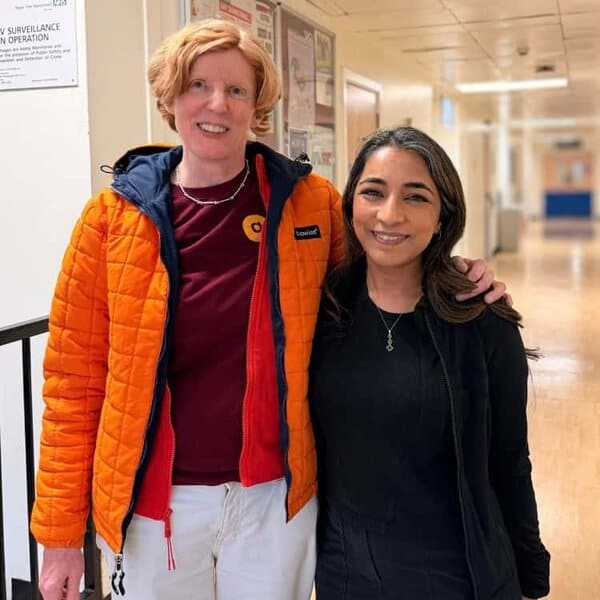
Kiran Singh with Dr. Jayne Kavanagh, Co-Chair of Doctors for Choice UK and Co-Director of Abortion Talk, Associate Clinical Professor (Teaching) at UCL Medical School, and a specialist doctor in sexual and reproductive health in London.
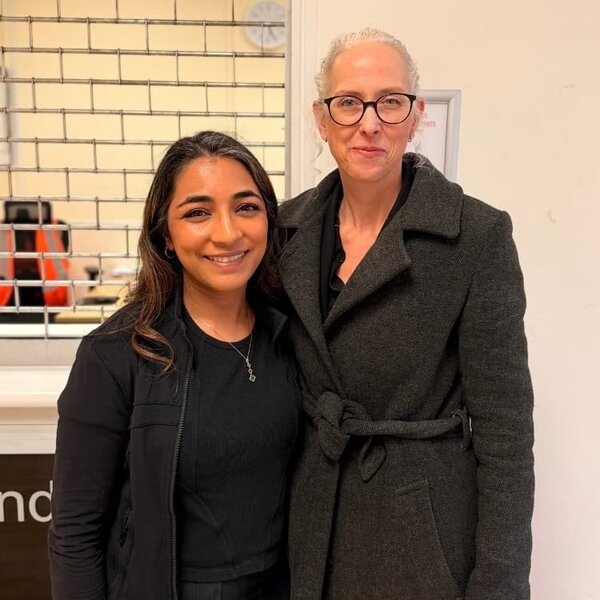
Kiran Singh with Dr. Patricia Lohr, OB-GYN with fellowship training in Complex Family Planning in the United States and Director of Research and Innovation at BPAS.
Overall, the conference provided both practical skills and a broader perspective on reproductive healthcare. I gained a deeper understanding of abortion provision, improved my clinical and communication skills, and learned more about the role clinicians can play in advocating for evidence-based care. These lessons directly apply to my work as an MSFC chapter leader. Organizing educational events, fostering open conversations about reproductive health, and supporting students interested in abortion care are all ways these skills can be brought back to our chapter.
I would strongly recommend this conference to other medical students, particularly those involved with MSFC chapters. It offers a valuable opportunity to learn directly from experienced providers, gain practical skills, and connect with others passionate about reproductive healthcare. Attending the conference reinforced my commitment to improving abortion education within medical training, reinvigorated my interest in becoming an abortion care provider, and created an opportunity to bring some of the ideas and discussions from this event back to the Republic of Ireland.
By Felipe on March 19th, 2026. Posted under: 2026, Blog Post, Featured Article, News and Views
I just found out that I matched. A huge sigh of relief—finally, I know that I have secured my first job as a doctor, and that I will be an OB-GYN. Friends and family immediately reached out with congratulations, many asking for details: where will I be?
I had to explain that in the U.S., there is a grueling, week-long wait between finding out that you matched and finding out where.
For many residency applicants this year—especially those pursuing specialties related to reproductive health—there is an additional layer of stress compounded onto that wait. For those of us who want to offer the full spectrum of reproductive healthcare, including abortion, matching alone does not guarantee access to the training we need.
Since the Dobbs decision eliminated the constitutional right to abortion in 2022, residency programs and applicants alike have had to navigate a constantly shifting landscape of state-level abortion restrictions — running the gamut from targeted regulations of abortion provider (TRAP) laws to outright, wholesale bans. Approximately 44% of OB-GYN residency programs in the United States are impacted by state-level abortion restrictions.¹ This means that a similar proportion of trainees may not receive comprehensive family planning training—and, as a result, may be limited in the care they can provide to their future patients.
I started medical school just months after Dobbs was decided, and its impact has shaped nearly every step of my training since. Even as a first-year student, before I knew which specialty I would choose, I knew I did not want to train in a state where abortion is restricted.
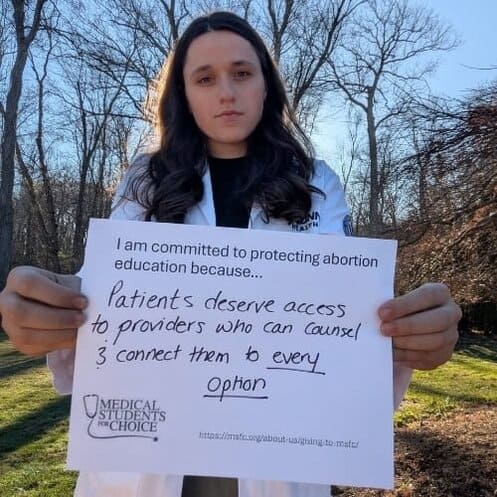
That decision came with an ethical dilemma. Patients in these states already face profound and unjust barriers to care, and I felt a sense of guilt about avoiding those communities for training—potentially contributing to an already strained landscape of access. But the reality is that residency training is formative. I know I want to provide the full scope of reproductive healthcare, including abortion. Training in a state where abortion is restricted would not only limit the care I could provide during residency, but also the skills I carry with me for years to come.
As someone from and trained in a “protective” state, I had the ability and privilege to apply only to programs where I could receive this training. So while many of us learned this week that we matched, not all have the reassurance that they will receive the training they need and deserve.
This stress is not limited to fears of inadequate training. For those who have the potential to match in restrictive states, there is also the fear of limited access to healthcare for themselves, their partners, their families, and their colleagues, which affects all medical trainees, not just those involved in the provision of reproductive healthcare.
Match Week is always stressful—but it is also meant to be celebratory. It represents years of hard work and sacrifice for medical students across the country. Yet the Dobbs decision and the wave of abortion restrictions that followed have created an impossible situation for many. Some applicants may desperately want to return home to train and serve their communities but feel they cannot. Others may feel called to fields like OB-GYN, yet are forced to choose between becoming the physician they want to be and maintaining access to essential training and care.
For those who matched this week, it is natural to feel anxious about where we will end up. But we should not have to wonder whether the program we matched into will be able to provide the training we need to care for our patients.
—
¹ Hammoud MM, Morgan HK, George K, et al. Trends in Obstetrics and Gynecology Residency Applications in the Year After Abortion Access Changes. JAMA Network Open. 2024;7(2):e2355017. doi:10.1001/jamanetworkopen.2023.55017
By Felipe on February 09th, 2026. Posted under: 2026, Blog Post, Featured Article
We are medical students from various colleges across India, collaborating to organize pan-India events that promote comprehensive medical education and raise reproductive health awareness among students and the general public. We are a 10-member team functioning as a subsidiary under AMSA India, a non-profit, student-led NGO. I, Suhaavi Kaur Chawla, serve as the chair of the team alongside my wonderful colleagues Utkarsha Sharma, Riti Aggarwal, Shreya Ramakrishnan, Varenya Singh, Srishti Xalxo, Priyanka Ojas Oza, Amandeep Kaur, Rishika Mahajan, and Preeti Kumari.
The following responses reflect a compilation of collective feedback and experiences from my team to present a holistic and honest perspective on our journey within this organization:
MSFC India Chapter Initiatives
Reflecting on my tenure as a student leader with MSFC, I feel incredibly proud of the work my team has accomplished and the meaningful impact we’ve created.
This past year, we organized six major events, ranging from article submissions on teenage pregnancy for the AMSA Newsletter to a nationwide sanitary pad distribution drive. Two of our most impactful initiatives were Project RED 2.0 and B.R.E.A.S.T.- Breast Cancer Research, Education, Awareness, Screening, and Training.
Project RED 2.0, our legacy event, was a nationwide drive on menstrual and menopause awareness combined with free sanitary pad distribution. It addressed the stigma and lack of awareness, surrounding menstruation and menopause, particularly in underserved communities. The initiative reached several states.
- Maharashtra: Tribal outreach of ~30 women using the Bhil language,
- Punjab: OPD awareness sessions with low-cost pad distribution,
- Karnataka (Malleshwaram): School sessions with pad demonstrations and quizzes,
- Karnataka (Vijayapura): Kannada language sessions in OPDs and schools, reaching 200+ people. Overall, 350+ women and adolescent girls were sensitized, and 300+ sanitary pads were distributed free of cost.
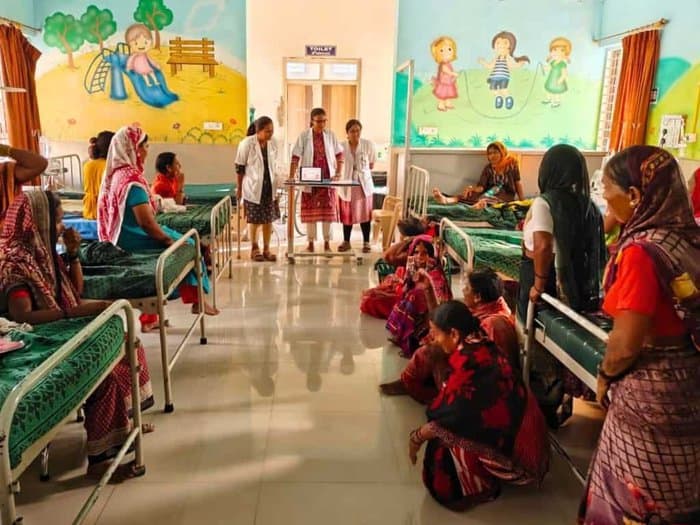
We conducted Project Choices, mobilizing students from various medical colleges to organize OPD-based awareness drives. The aim was to educate eligible couples about the range of contraceptive options available and raise awareness about safe abortion rights. Despite India having legalized abortion, misinformation and stigma persist. Through this project, students informed patients about their legal rights, bodily autonomy, and the importance of accessing abortion only through registered medical practitioners to prevent unsafe practices.
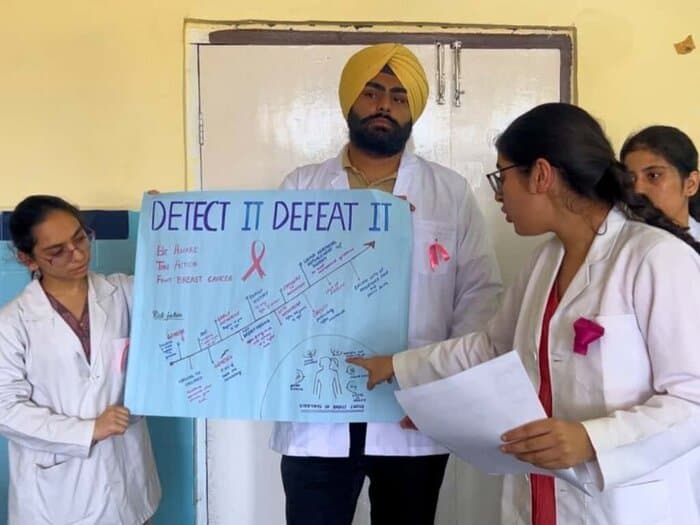
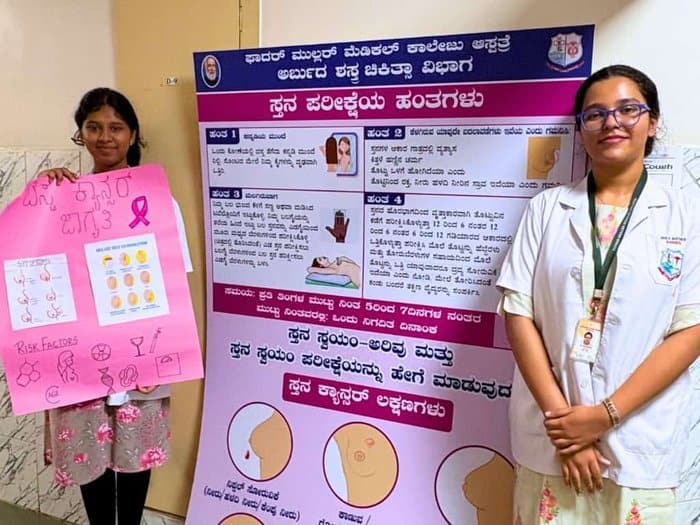
The B.R.E.A.S.T. Cancer Awareness Drive was a 10-day pan-India initiative for medical students, focused on promoting breast cancer screening and breaking social taboos around the topic. Conducted in multiple languages and formats, the project successfully engaged diverse audiences, proving that awareness and education can empower communities and start life-changing conversations.
Why This Work Matters to Us
For Utkarsh and Riti, the motivation stemmed from their belief in the life-saving power of early diagnosis and screening for cancer. Knowing that even small awareness efforts can make a huge difference inspires them to act. They also found fulfillment in mentoring fellow medical students and witnessing collective efforts spark meaningful change.
Srishti shared that as medical students in India, we’ve witnessed how low-resource healthcare settings are overburdened with patients who require compassionate and comprehensive care, but often, these needs remain unmet. Despite having one of the earliest Medical Termination of Pregnancy Acts, India still struggles with deep-rooted stigma, systemic neglect, and misinformation that limit access to safe reproductive care. Medical students rarely receive proper training when it comes to adequate abortion care and patient counselling, and although our medical curriculum has recently seen progressive changes, it hasn’t always been inclusive of the LGBTQIA+ community. We wanted to foster critical thinking and social accountability, along with the commitment to practice evidence-based medicine in our unit. We wanted to empower medical students with the skills to address and advocate for the real-world problems, not just concern themselves with academia. We planned these activities primarily to ignite curiosity, and soon we were discussing the impact of sharing authentic stories, the courage it takes to simply talk about a topic like teenage pregnancy in an environment that hushes its existence and encouraging new students to look beyond their classrooms. Through these initiatives, we sought to amplify the student voices in the healthcare space.
Moments That Stayed With Us
As a student leader, the most memorable part for me was watching my team collaborate so passionately and authentically. Seeing medical students from across India unite for a shared cause reaffirmed my belief in the power of youth-led change. The dedication of students who spend hours on Zoom, brainstorming, and executing national-level events reminded me why we chose this profession: to make a difference, one step at a time. For me, the success of this role was defined by whether even one girl walked away from our sessions more aware of her rights.
For Riti and Utkarsh, a standout moment from the B.R.E.A.S.T. Drive was the overwhelming participation, with nearly 30 team registrations and male and female participants in almost equal numbers. A highlight of the event was the creative skits performed by many teams. These skits made the message of breast cancer awareness vivid, relatable, and unforgettable, leaving a lasting impression on the audience. Other teams conducted seminars in medical settings, collaborated with local Rotaract clubs, or made their own posters, banners, and placards inspired by materials provided by our team. By allowing teams to choose their own communication methods, outreach took a holistic approach, combining education, awareness, and personal connection. Some teams also distributed pink ribbons, giving the public something tangible to carry home. Moments like these reminded them of the power of creativity, collaboration and meaningful storytelling in driving awareness and change.
Srishti recalls being deeply moved by the “Hidden Voices” writing competition, where medical students shared stories about the unseen struggles of patients. The stories highlight the issues patients endure in our healthcare system and in their personal lives, that we as care providers might not recognize. A reality so different than what we expect that we’re forced to think, to dig deeper and ultimately realize our role in this process. Another fond memory for her was seeing first-year medical students eagerly prepare for one of their first initiatives with Project Red and how they would nervously walk up to the stage to present the material,. how they’d step into their roles as educators for that session, spreading awareness about a taboo topic like menstrual hygiene with the confidence that they were part of the change they wanted to see.
Student-Led Action
Utkarsh and Riti believe that initiatives like the B.R.E.A.S.T. Cancer Awareness Drive can make a real difference in reproductive healthcare rights and access by helping break the silence around topics often considered taboo. Educating people about early diagnosis, screening and preventive care gives them the knowledge and confidence to take control of their own health. Using creative ways to communicate such as skits, seminars and posters makes medical information easier to understand and relate to, reaching more people effectively. Mentoring fellow medical students also helps spread this awareness further, so that the message continues beyond the event. In the end, initiatives like this bridge the gap between medical knowledge and everyday understanding, encourage open conversations and make it easier for people to access healthcare without fear or hesitation.
Srishti believes that these initiatives aim at spreading awareness amongst the general population on the more taboo topics in India like safe abortion, menstruation, maintenance of menstrual hygiene, contraception as well as diseases like STIs, breast cancer, cervical cancer etc. We take on topics that, despite being well researched, are riddled with misconceptions or myths. Many patients are unaware of the government schemes and programs launched for their benefit and welfare. Patients, especially those who are not literate and those who are underprivileged, find it hard to navigate through these schemes, adding another barrier to access. The unit ensures that medical students participating in or conducting these initiatives are equipped with accurate medical information and skills to tackle misinformation. By doing so, we remind the public that their interests are respected and will be protected.
These initiatives are designed to help medical students learn about important patient issues, compassionate decision making, and inclusivity in every sense of the word. They encourage a healthy discourse among medical students and give them the opportunity to interact with patients. We hope that through these sessions we will be able to make the patients aware of their healthcare rights and of our responsibility to support them. Through continued student efforts, the medical curriculum in our country has begun to embrace inclusive terms and to do away with outdated ones; we aim to further that journey.
Learning to Lead and Challenges We Faced
A major challenge was discussing topics like breast cancer in a way that was both informative and culturally sensitive. We had to balance medical accuracy with empathy to ensure people felt comfortable engaging.
Coordinating teams across diverse regions with different languages and work styles was another hurdle. We addressed this by allowing creative flexibility while maintaining consistency in messaging. Regular check-ins, mentorship, and encouragement helped sustain motivation and ensure smooth execution.
According to Srishti, another challenge was public skepticism toward modern medicine and the rising preference for alternative healing systems. Many communities mistrusted allopathic medicine, making engagement difficult. The team overcame this by building mutual respect, encouraging shared decision-making and upholding bodily autonomy. By addressing myths in patients’ own languages and contexts, we were able to rebuild trust and promote informed, evidence-based healthcare choices.
What This Means for Patients and Medical Students
Initiatives like the B.R.E.A.S.T. Cancer Awareness Drive can have a meaningful impact on access to reproductive healthcare for both patients and students. For patients, awareness about screening and early detection empowers them to seek care proactively and make informed decisions about their health. For students, participating in these activities builds knowledge, confidence, and communication skills, while also giving them experience in teamwork, leadership, and structured hierarchy, since each team had an event coordinator and volunteers.
These activities are a gateway to knowing the lacunae in the medical system, our curriculum and the administrative inefficiencies that defer access to healthcare. These activities provide them with the opportunity to take up leadership roles, public health initiatives and build the capacity to influence healthcare policy in the future. This teaches students how to advocate for their patients and their rights which could expand access to healthcare. We may not always be able to provide tangible solutions to pressing problems in medicine but can always foster the interest to do so. By helping students learn, we ensure that patients receive accurate legal and medical guidance. For underprivileged patients, our awareness activities become a source of confidence in the medical system. This reduces stigma in healthcare settings and encourages curiosity. Our donation drives try to improve access to menstrual products whilst educating young girls who can share this newfound knowledge with other girls their age.
To Students Thinking of Starting a Chapter
As a student leader, my advice is simple- take that first step. Change starts small, but consistency creates impact. Utkarsh and Riti add, “If you want to start a chapter, just go for it! Don’t wait for the perfect plan. Build a passionate team, divide work smartly and stay organized- but also enjoy the process. Balance academics with advocacy, experiment fearlessly and remember that even small events matter. Every effort counts.”
Srishti concludes, “Medical Students for Choice Unit has become an essential part of medical student advocacy groups, especially with the current climate in healthcare where there is increasing focus on limiting reproductive rights of women and diminishing patient autonomy, which is an important pillar of bioethics. It fights for your voice as budding doctors to be heard in the healthcare space, bridges the gap between medical legality and lived reality, helping you represent patients’ interests when they themselves cannot. It creates a community of like-minded individuals who want to contribute towards safe, dignified and informed reproductive care for all. And despite the challenges we face, it is worth it to have a fraternity like that. So, my advice would be to just nurture your interest. Don’t think of starting a chapter as a task for a big man. A start has no requirements, just you and your belief. If you’re a medical student and you’re passionate about advocating, learning, and organizing, this would be the place for you. And even if this isn’t something you have ever done before, I have always believed in pursuing the things that inspire curiosity, especially those that intimidate you.”